Skip to content
BPC-157 research peptide

Body Protection Compound-157

BPC-157 Australia

Everything researchers need to know about BPC-157 — mechanism, published dosing protocols, side effect profiles, reconstitution, and how to source third-party tested BPC-157 in Australia.

Quick facts

  • Also known as: Body Protection Compound-157
  • Form: Lyophilised powder (>99% purity)
  • Variants: 5 mg, 10 mg
  • 🇦🇺 3–5 business days
4.8Excellent

Based on verified customer reviews

Excellent quality and fast dispatch

Products arrived well-packaged with COA documentation included. Really appreciate the clear research-only labelling — exactly what I needed for my lab work.

James R.

Sydney, AU

March 2025

Best local supplier I've found

Ordered three times now. HPLC verification results have been consistent each time. The pathway browsing structure makes it much easier to compare compounds.

Sarah K.

Melbourne, AU

February 2025

Fast shipping, great documentation

Same-day dispatch on my last two orders. The batch COA was easy to locate and the product information pages are genuinely useful for research planning.

Michael T.

Brisbane, AU

April 2025

Representative of verified researcher feedback.

Overview

What Is BPC-157?

BPC-157 (Body Protection Compound-157) is a pentadecapeptide derived from human gastric juice. It is one of the most widely researched peptides for tissue repair, with published studies spanning tendon, ligament, muscle, bone, and gut tissue models. Its cytoprotective properties have made it a cornerstone compound in regenerative research.

Also known as Body Protection Compound-157, BPC-157 is supplied as a lyophilised research peptide for laboratory use only. Extensive preclinical research demonstrates BPC-157 accelerates tissue healing via upregulation of growth factor expression (VEGF, EGF), nitric oxide system modulation, and FAK-paxillin pathway activation. Studies show effects on angiogenesis, collagen deposition, and anti-inflammatory pathways across multiple tissue types.

What Is BPC-157?
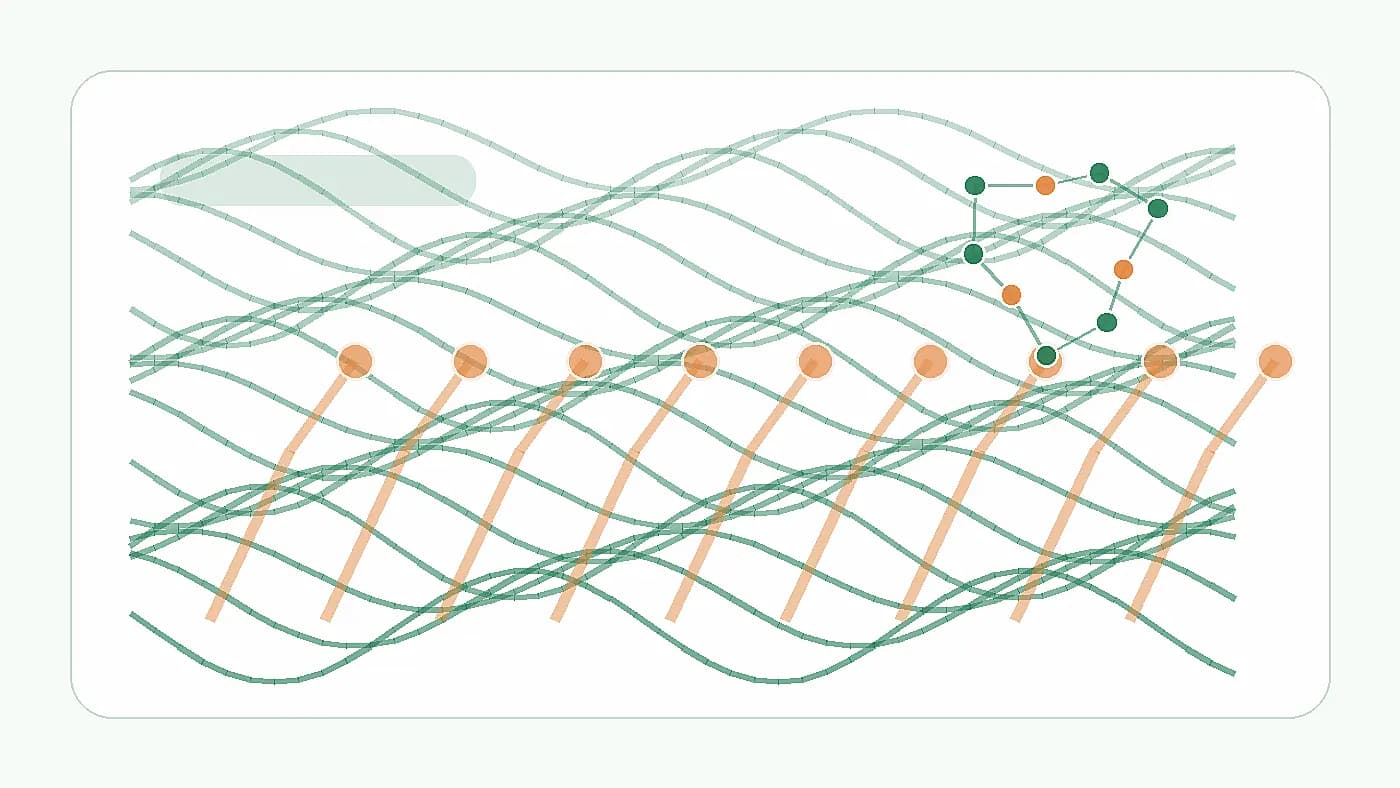
BPC-157 mechanism diagram

Mechanism

How BPC-157 Works — Research Mechanism

Extensive preclinical research demonstrates BPC-157 accelerates tissue healing via upregulation of growth factor expression (VEGF, EGF), nitric oxide system modulation, and FAK-paxillin pathway activation. Studies show effects on angiogenesis, collagen deposition, and anti-inflammatory pathways across multiple tissue types.

  • Upregulates VEGF, EGF, and growth factor expression
  • FAK-paxillin pathway activation for cell migration
  • Nitric oxide system modulation
  • Angiogenesis and collagen deposition in tissue models
  • Cytoprotective effects across tendon, ligament, muscle, and gut tissue

Research reference

BPC-157 Dosage — Published Research Protocols

The following reference points are drawn from published research literature. These figures are provided for research reference only and do not constitute dosing recommendations. BPC-157 is sold strictly for laboratory research use.

Protocol tierPublished research detail
Preclinical range10 mcg/kg body weight commonly cited in rodent tissue repair studies
Research frequencyOnce or twice daily in published animal model protocols
Available vials5 mg and 10 mg lyophilised research vials

Research use only: FOR LABORATORY RESEARCH USE ONLY. Not for human consumption, injection, or therapeutic use. All products are sold strictly as research chemicals. By purchasing, you confirm you are 18+ and agree to use products solely for legitimate research purposes.

Safety research

BPC-157 Side Effects — Research Findings

Side effect profiles documented in published BPC-157 research depend on dose, route of administration, and model system. The following are commonly reported findings from research literature — not from personal use contexts.

  • Injection site erythema or discomfort in subcutaneous administration studies
  • Transient local inflammation reported in some tissue repair models
  • Generally well-tolerated in published preclinical research at standard doses
  • No significant systemic adverse events consistently reported across literature
Handling

Reconstituting BPC-157

BPC-157 is supplied as a lyophilised powder and must be reconstituted before use in laboratory protocols. Use bacteriostatic water (0.9% benzyl alcohol) for multi-dose vials. Inject diluent slowly down the inside wall of the vial — do not shake vigorously.

Bacteriostatic water is available from EvoPeak. Store reconstituted peptide at 2–8°C and lyophilised powder at −20°C.

Shop bacteriostatic water

Australia

How to Get BPC-157 in Australia

Researchers in Australia can source BPC-157 through EvoPeak — a local supplier offering third-party tested research compounds with batch-specific COA documentation and domestic shipping.

  1. 1

    Browse BPC-157 variants (5 mg, 10 mg) on the EvoPeak product page

  2. 2

    Review the certificate of analysis (COA) for HPLC purity and mass spectrometry identity verification

  3. 3

    Select your vial size and add to cart — prices include GST with same-day Australian dispatch

  4. 4

    Receive your order with batch-specific quality documentation for laboratory traceability

Quality Standard

Research compounds need evidence, not guesswork.

Every shopping path leads back to the same core standard: research-use positioning, third-party quality signals, transparent documentation, and careful handling guidance.

HPLC/MS verified

Purity and identity checks support confident compound selection for controlled research.

Endotoxin screened

Quality review extends beyond purity so researchers can evaluate handling risk.

Batch documentation

COA-first product pages keep quality signals close to every purchase decision.

Australia shipped

Local fulfilment keeps delivery predictable for Australian research customers.

FAQ

BPC-157 — Common Questions

What is BPC-157?

Gastric pentadecapeptide for tissue repair and cytoprotection research. BPC-157 (Body Protection Compound-157) is a pentadecapeptide derived from human gastric juice. It is one of the most widely researched peptides for tissue repair, with published studies spanning tendo… It is supplied for laboratory research use only.

What is the BPC-157 dosage used in research?

Published research uses varying doses depending on the model and endpoint. EvoPeak supplies 5 mg and 10 mg vials. All dosage information is for research reference only and does not constitute recommendations.

What are the side effects of BPC-157?

Side effect profiles in published research depend on dose, route, and model system. Consult primary literature for compound-specific findings. All information is drawn from research contexts, not personal use.

Can I buy BPC-157 in Australia?

Yes. EvoPeak supplies research-grade BPC-157 to Australian researchers with HPLC/MS verification, batch-specific COA documentation, and domestic shipping. Products are for laboratory research use only.

How do I get BPC-157 in Australia?

Order from the EvoPeak shop page, select your vial size, review the COA, and checkout with local Australian fulfilment.

How do I reconstitute BPC-157?

BPC-157 is supplied as lyophilised powder. Reconstitute with bacteriostatic water, inject diluent slowly down the vial wall without shaking, and store at 2–8°C once reconstituted. Bacteriostatic water is available from EvoPeak.

What purity standard does EvoPeak BPC-157 meet?

Every batch undergoes HPLC purity analysis (targeting >99%), mass spectrometry identity verification, and endotoxin screening. Batch-specific COAs are available on the product page.

Is bpc-157 peptide the same as Body Protection Compound-157?

BPC-157 is also known as Body Protection Compound-157. Both refer to the same research compound supplied by EvoPeak.

Ready to order BPC-157?

Third-party HPLC/MS tested with batch-specific COA documentation. Shipped from Australia for laboratory research use only.